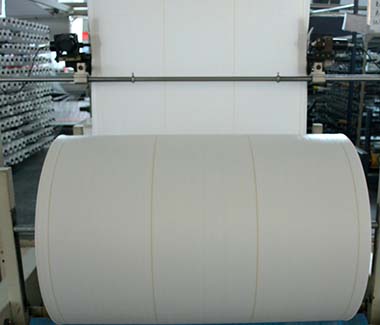
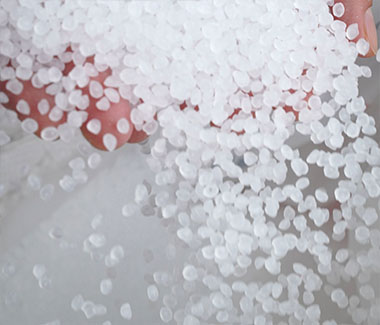
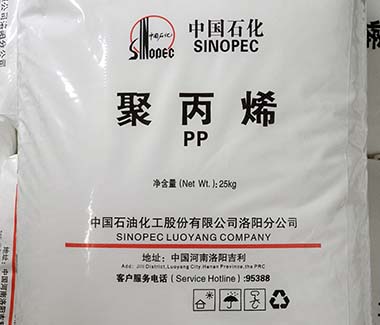
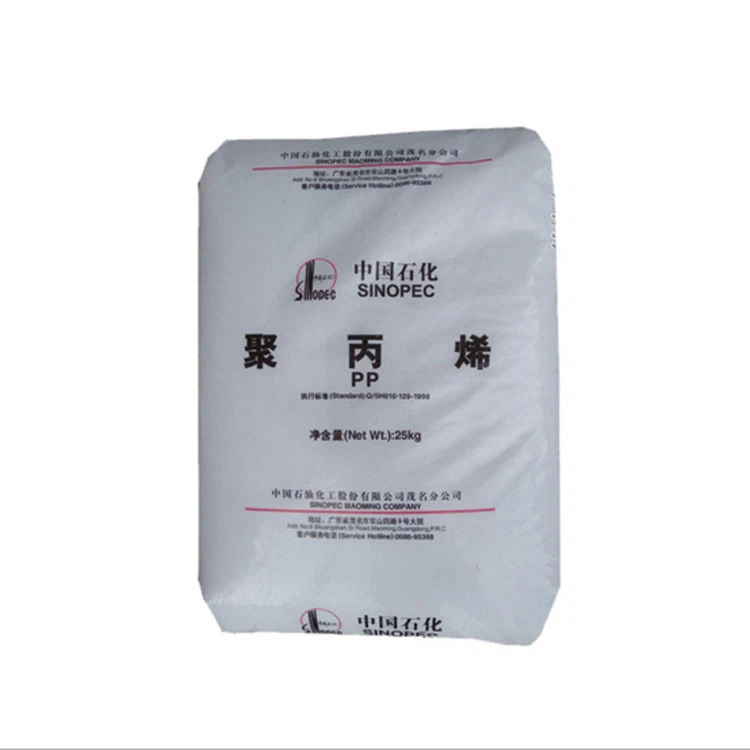
Polypropylene is a versatile, synthetic plastic that falls within the thermoplastic category. Composed of repeated units of individual propylene monomers joined by a chemical process, polypropylene is a large molecular compound.
The material exhibits superior molecular crystallinity, flexibility, physical toughness, chemical tolerance, and temperature resistance compared to other polymers. It can be liquified for production and recycling since it softens at temperatures close to the melting point. Products made of polypropylene are frequently branded with the #5 resin code and symbol, suggesting that they can be recycled.
PP melting point ranges from 160°C to 170°C (320°F to 338°F). Isotactic PP has a higher melting point than atactic PP. It's because the former has a regular molecular structure, while the latter features a more disordered molecular arrangement.
The significance of the PP melting point extends across several critical aspects of manufacturing and product design.
First, during manufacturing processes like injection molding and extrusion, knowing the exact melting point is vital. Polypropylene must reach the appropriate temperature to melt properly, flow evenly into molds, and cool down without introducing internal stresses. If the temperature is too low, incomplete filling or structural weaknesses can occur. If it is too high, material degradation and discoloration may result, compromising product quality.
Second, the heat resistance of PP affects its performance in real-world applications. Automotive parts made from polypropylene, for example, must withstand elevated temperatures near engines without deforming. Similarly, food containers and packaging must endure reheating in microwaves without losing their shape or releasing harmful substances. An in-depth understanding of the PP melting point ensures these products perform reliably under intended thermal conditions.
Third, material selection decisions often hinge on melting point considerations. For high-temperature environments, polypropylene may not always be the best choice if even higher thermal stability is required. In such cases, alternatives like PEEK or PPS, known for superior heat resistance, might be selected instead. Nevertheless, for a vast array of moderately high-temperature applications, polypropylene remains a cost-effective and reliable material.
Several factors influence the melting behavior of polypropylene, which in turn affect its suitability for different applications.
Crystallinity is a primary factor. A higher degree of crystallinity within the polymer structure results in a higher melting point, providing better heat resistance but sometimes at the expense of toughness and impact resistance. Homopolymers typically exhibit greater crystallinity than copolymers.
Additives also play a role. Manufacturers may introduce fillers like talc or glass fibers, stabilizers, or plasticizers to modify the thermal and mechanical properties of PP. These additives can slightly adjust the melting point, either raising it to enhance heat performance or modifying it to improve processability.
Moreover, processing conditions, particularly post-processing treatments like annealing, influence the final crystalline structure of polypropylene products. Annealing can increase the polymer’s crystallinity and thus raise its effective melting point, improving heat resistance for specific end uses.
Luoyang Dema Import & Export Co., Ltd. aims to provide high-quality, cost-effective products for global factories, plastic product manufacturers, and material distributors. Luoyang Dema Import & Export Co., Ltd. provides the best PP, PE, PVC, EVA, and ABS material solutions for plastic product manufacturers, wholesalers, distributors, factory owners, processing workshops, etc.
If you are looking for general plastic materials, please feel free to get the latest prices and quotations from Luoyang Dema Import & Export Co., Ltd. The sales team will reply within 48 hours.